About SpecificiT Pharma Inc.
SpecificiT Pharma Inc., a privately held biopharmaceutical company focused on developing innovative personalized cancer immunotherapies.
SpecificiT is developing cellular therapies for hematological cancers which to date, cannot be treated with chimeric antigen receptor modified T cells (CAR-T) therapies.
SpecificiT’s unique approach is centered on the use of Minor Histocompatability Antigens (“MiHAs”) which enable donor T-cells to be safely directed to eliminate cancer cells in a patient.
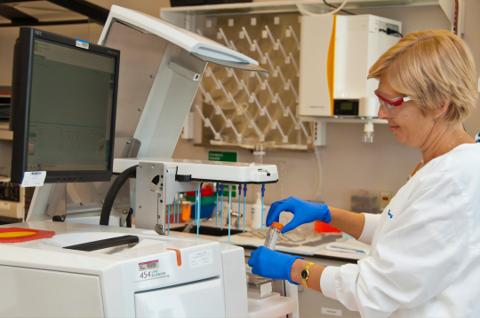

Join Our Team at SpecificIT Pharma
At SpecificIT Pharma, we are committed to advancing healthcare through innovative solutions, and we are looking for passionate individuals to join our team. Our culture fosters collaboration, creativity, and excellence, making it an exciting place to work for those eager to make a difference in the pharmaceutical industry.
Current Job Openings
We currently have several positions available across various departments, including clinical research, biotechnology, regulatory affairs, and quality assurance. Each role plays a vital part in our mission to develop cutting-edge therapeutics that improve patient outcomes. Our openings provide the opportunity to work alongside industry experts, contributing to meaningful projects that have a real impact on healthcare.

Why Work with Us?
When you join SpecificIT Pharma, you become part of a team that values integrity, innovation, and continuous learning. We offer competitive salaries and comprehensive benefits packages, along with opportunities for professional growth and development. Our collaborative environment encourages you to share ideas and take on new challenges, allowing you to thrive in your career while contributing to our shared mission.
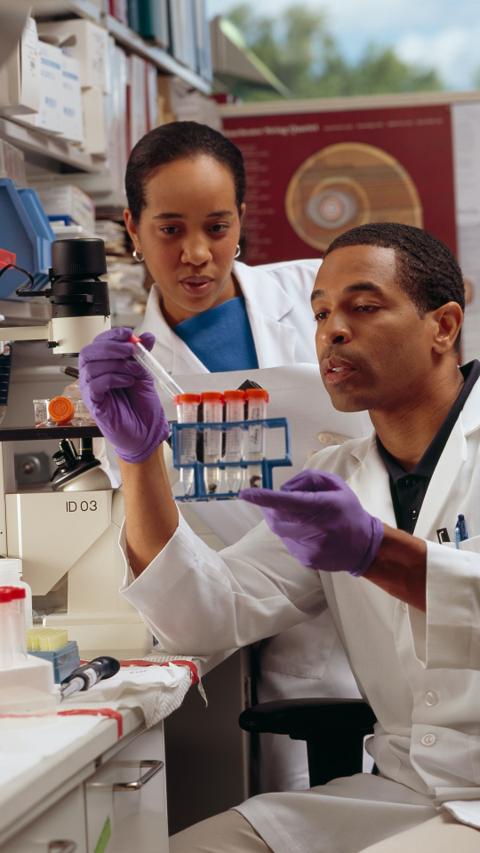
Our team
At SpecificIT Pharma, our team is the foundation of our success. Comprised of diverse professionals from various fields, including scientists, researchers, and industry experts, we are united by a shared passion for transforming healthcare. Our collaborative culture encourages creativity and fosters innovation, enabling us to tackle the complex challenges of drug development.
We prioritize continuous learning and professional growth, providing our team members with opportunities to enhance their skills and stay at the forefront of industry advancements. Each member brings unique expertise and perspectives, contributing to a dynamic work environment where ideas can flourish.
Together, we are dedicated to making a meaningful impact on the lives of patients by developing targeted therapeutics that address unmet medical needs. At SpecificIT Pharma, we believe that by empowering our team, we can drive the future of healthcare and improve patient outcomes around the globe.

Our mission
At SpecificIT Pharma, our mission is to revolutionize healthcare by developing innovative and targeted therapeutics that address unmet medical needs. We are dedicated to improving the lives of patients through cutting-edge research and development, with a particular focus on precision medicine and personalized treatment approaches.
We strive to enhance patient outcomes and quality of life by leveraging the latest advancements in biotechnology and pharmaceutical sciences. Our commitment to integrity, collaboration, and excellence drives us to create solutions that not only meet regulatory standards but also reflect the needs and experiences of the patients we serve. Together, we aim to make a meaningful impact on global health, fostering hope and resilience in communities around the world.
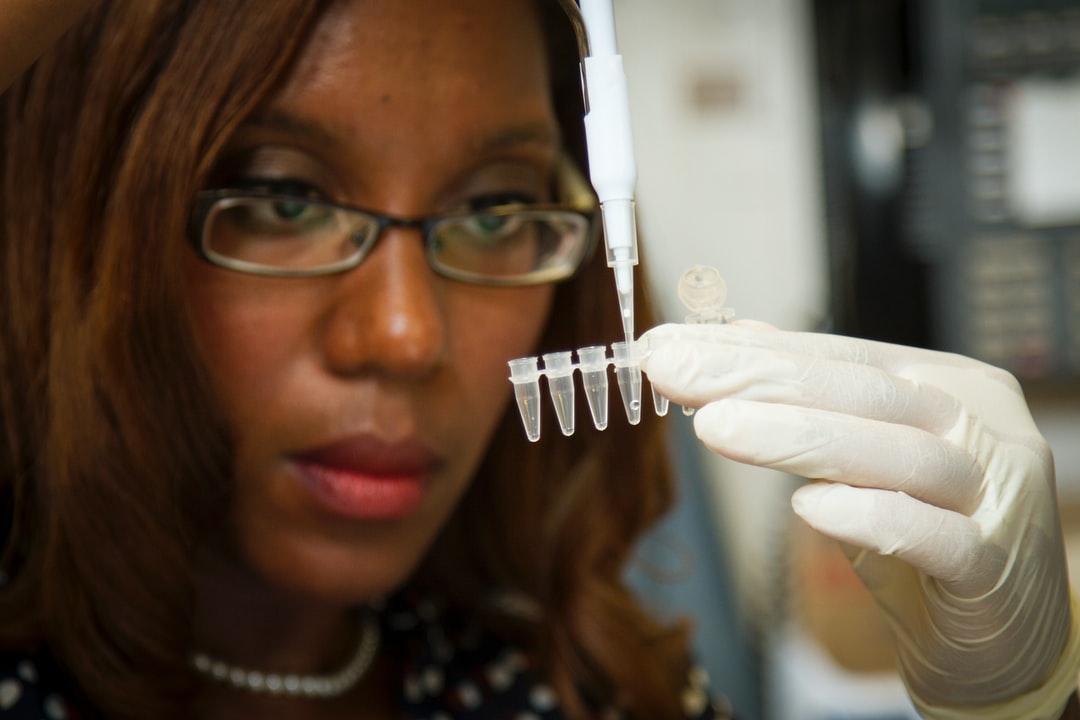
Innovation:
We embrace creativity and ingenuity, continuously seeking new ways to advance healthcare and develop effective therapies that meet the needs of patients.
Integrity:
We uphold the highest ethical standards in all our actions, ensuring transparency and accountability in our research and business practices.
Collaboration:
We believe in the power of teamwork and interdisciplinary partnerships. By working together, we can achieve greater results and drive meaningful change in the industry.
Patient-Centricity:
Our patients are at the heart of everything we do. We prioritize their needs and experiences, ensuring our solutions are designed to improve their quality of life.
Patient-Centricity:
Our patients are at the heart of everything we do. We prioritize their needs and experiences, ensuring our solutions are designed to improve their quality of life.
Patient-Centricity:
Our patients are at the heart of everything we do. We prioritize their needs and experiences, ensuring our solutions are designed to improve their quality of life.
Patient-Centricity:
Our patients are at the heart of everything we do. We prioritize their needs and experiences, ensuring our solutions are designed to improve their quality of life.
Patient-Centricity:
Our patients are at the heart of everything we do. We prioritize their needs and experiences, ensuring our solutions are designed to improve their quality of life.
Patient-Centricity:
Our patients are at the heart of everything we do. We prioritize their needs and experiences, ensuring our solutions are designed to improve their quality of life.
Patient-Centricity:
Our patients are at the heart of everything we do. We prioritize their needs and experiences, ensuring our solutions are designed to improve their quality of life.
Excellence: We are committed to scientific rigor and operational excellence, striving for the highest quality in our research, development, and manufacturing processes.
Compassion: We recognize the challenges faced by patients and their families. Our work is guided by empathy, as we aim to make a positive impact on their lives.